
What Is Atherosclerosis?
Atherosclerosis or Arteriosclerotic Vascular Disease (ASVD) is a common illness that occurs when plaques (atherosclerotic lesions) form and build up in the arteries which leads to hardening and narrowing of the artery walls. It is a long-lasting degenerative disease of the arterial wall, leading to complications such as myocardial infarction and stroke, if left undiagnosed. Atherosclerosis is a silent killer that can start at a very young age, even at birth and progress slowly without acutally manifesting any noticable warning sign or symptom until it leads to many life threatening conditions like strokes, heart attacks, and sometimes even death. It is a slow and progressive condition that can be prevented and treated with either life style changes and or medicine on early diagnosis.
Atherosclerosis via Carotid Artery
The carotid artery is located in the front of the neck, and is where the blood goes from the heart to the brain just like shown on Figure 7. There are three types of carotid arteries: common, external and internal carotid artery. The carotid arteries supply oxygenated and nutrient filled blood to the head and neck regions of the body. Both the right and left common carotid arteries branch into internal and external arteries. There is a carotid artery disease, which the carotid arteries become narrowed or blocked leading to a decrease in blood flow to the brain. This can also lead to a stroke. Figure 8 shows a brain stroke image caused by a blocked artery.
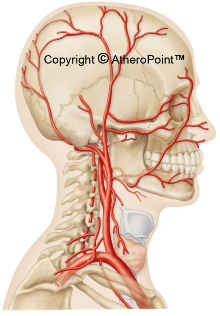
Figure 7 – Location of the Carotid Arteries
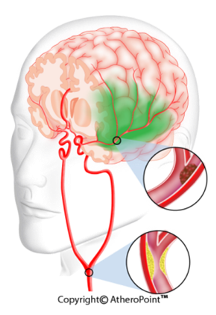
Figure 8 – Artery block leading to stroke
There are two types of stroke: ischemic stroke and hemorrhagic stroke. Risk factors for stroke include: high blood pressure, atrial fibrillation, diabetes, family history of stroke, high cholesterol increasing age, especially after age 55, and race. The chance of stroke is higher in people who live an unhealthy lifestyle by: being overweight or obese, drinking heavily, eating too much fat or salt, smoking, and taking cocaine and other illegal drugs. When brain cells die during a stroke, abilities controlled by that area of the brain are lost that may include speech, movement and memory.
Atherosclerosis via Coronary Artery
Cardiac Arrest is an electrical disturbance in your heart that disrupts its pumping action, stopping blood flow to the rest of your body. Figure 10 shows the cause of a cardiac arrest and how the blocked flow is the cause of this. There are many different causes of cardiac arrest for example: coronary heart disease, heart attack, electrocution, drowning, or choking. Figure 11 depicts the progression of plaque in coronary artery.
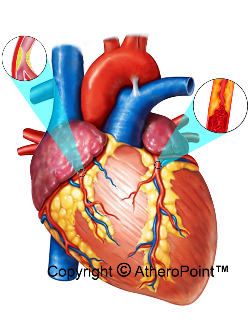
Figure 10 – Cause of Cardiac Arrest
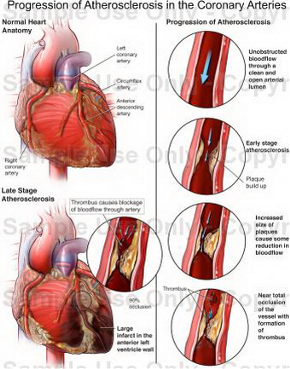
Figure 11 – Progession of plaque in coronary artery